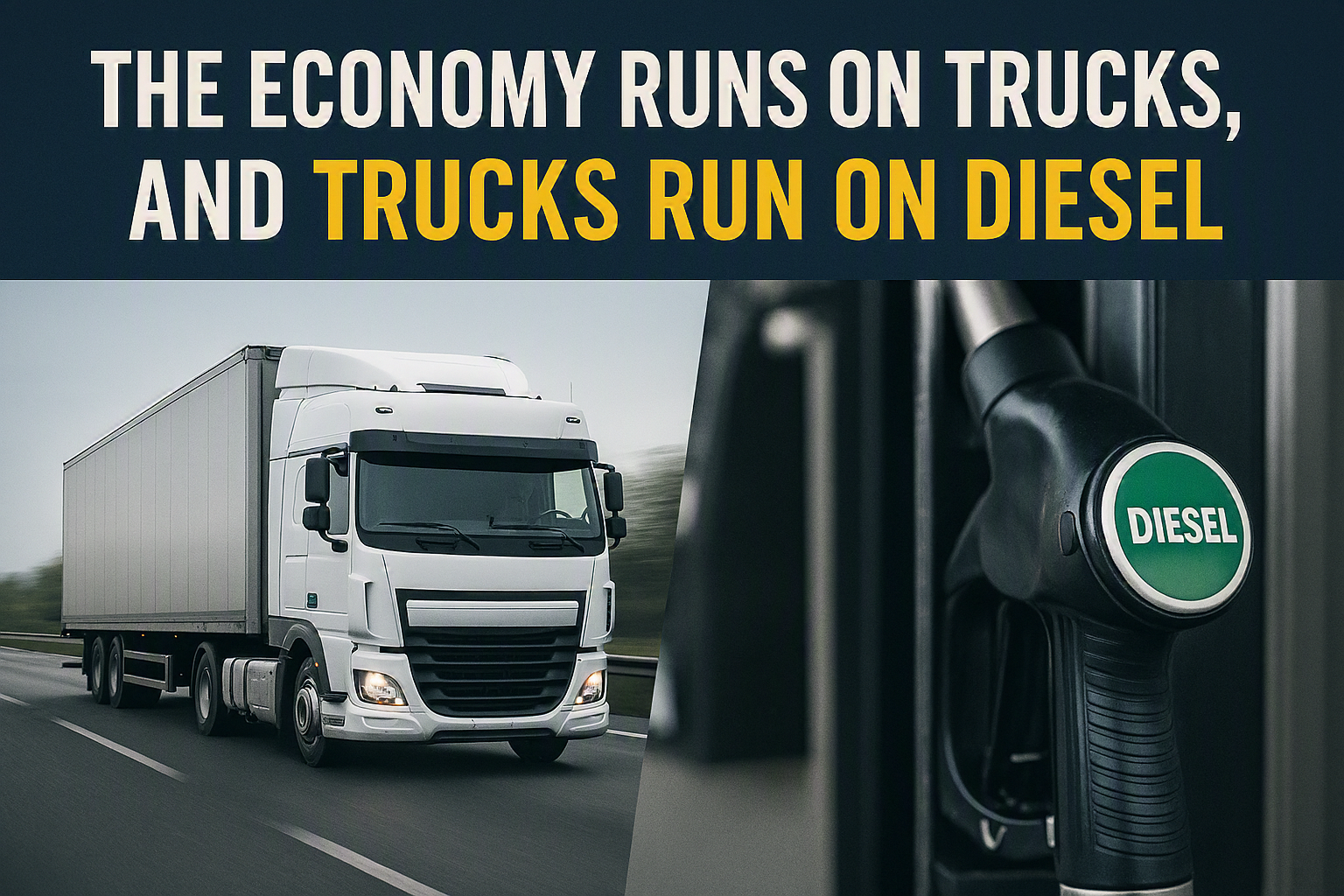

Reducing greenhouse gas (GHG) emissions from internal combustion engine vehicles (ICEVs), while transitioning to zero-tailpipe emissions vehicles (ZEVs), will deliver the greatest environmental benefits in both the near- and long-term. This report evaluates the viability and emissions reduction potential of a variety of technology and energy options that can benefit the ICEV market and concludes that adopting a portfolio approach that matches low carbon strategies with different vehicle types and use cases is the most effective path for decarbonizing the transportation sector.
The report presents a portfolio of options available to policymakers and market leaders seeking to achieve meaningful emissions reductions from the transportation sector. The report evaluates:
- The benefits and importance of early GHG reductions considering the atmospheric life of GHGs and the slow pace of fleet turnover
- The life cycle emissions of various ICEV energy options
- The low carbon potential, scalability and feedstock availability of biofuels
- The factors that will affect the market’s transition to each evaluated option
While there is no silver bullet to the reach immediate carbon reductions, there are many near-term opportunities in the goal to reach net-zero. This report is an extensive look at the challenges and practical approaches that can be taken to address emission reduction in all vehicles.
Additional Report Resources:
- Webinar: Decarbonizing Combustion Vehicles with Stillwater Associates
- Download: Executive Summary
- Download: Summary of Findings
- Infographic: How Can We Reduce Transportation Emissions Now?
- Interview: Decarbonizing ICEVs and the Quest for Zero – A conversation with John Eichberger of the Transportation Energy Institute
- Blog: Decarbonizing Combustion Vehicles – A Critical Part in Reducing Transportation Emissions