John Eichberger |
April 2026
Last week, the Transportation Energy Institute (TEI) convened its annual conference in Fort Worth, Texas against a backdrop of global geopolitical and market instability. In the weeks leading up to the event, the market was whipsawed by announcements of a ceasefire in Iran, the reopening of the Strait of Hormuz, the subsequent closure and blockade of the strait, and the dislocation of energy resources and the predictable results of elevated prices throughout the world. The agenda for TEI26 was planned months ago, but it proved to be timely and insightful for those in attendance as we started with a detailed discussion about what is going on and how it is affecting the domestic transportation sector.
One feature that makes TEI events different than others you might attend is that we operate under Chatham House Rules, which means that no individual is subject to quotation or attribution without their express permission. This allows participants to engage in honest and vulnerable dialogue without the worry of their engagement being blasted on social media. That said, the collective discussion of the event provides incredible insights and value to those interested in this critical market.
With regards to the current global situation, TEI26 spent time talking about the re-pricing of geopolitical risk within the global transportation sector. We discussed the immediate and long-term implications of the Strait of Hormuz blockade, which has triggered the most significant energy supply disruption since the 1970s. The closure of the Strait, which handles 20% of global seaborne oil and LNG trade, has forced carriers to reroute around the Cape of Good Hope, adding 10 to 14 days to journey times. With tankers moving on to other ports, including the United States, even if the Strait were to reopen, it would take several weeks to reposition transports to the region and restore the previous flow of energy. This means the repercussions of the current situation are likely to extend into the summer if not beyond.
The financial impact has dominated the news – Brent crude surged from $72 before the conflict began to $138 per barrel in early April, driven by the loss of nearly 11 million barrels per day of supply. The U.S. national average for gasoline climbed from about $3.07 to approximately $4.25 per gallon while diesel jumped from $3.81 to $5.64. The conflict has exposed the vulnerability of the Gulf-dependent energy model, prompting calls for accelerated investment in regional energy corridors and non-Gulf energy sources.
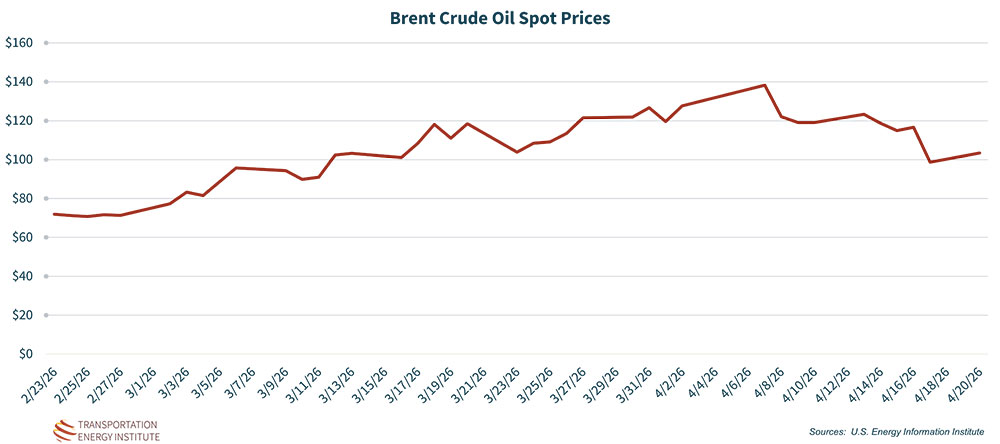
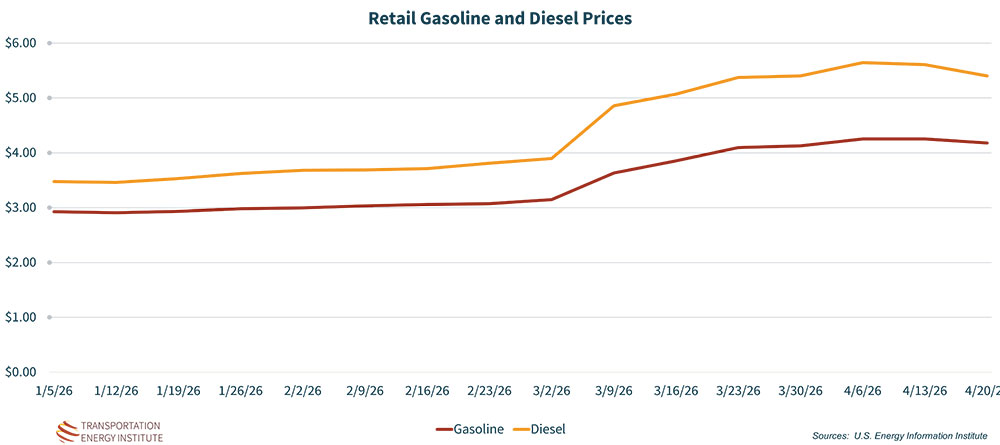
Experts noted that while North American production remains robust, the global nature of crude benchmarks means that domestic refiners are still subject to significant margin volatility. In addition, regional supply dislocation and supply chain constraints (such as California) are creating localized shortages and price spikes, particularly in regions dependent on coastal refinery inputs.
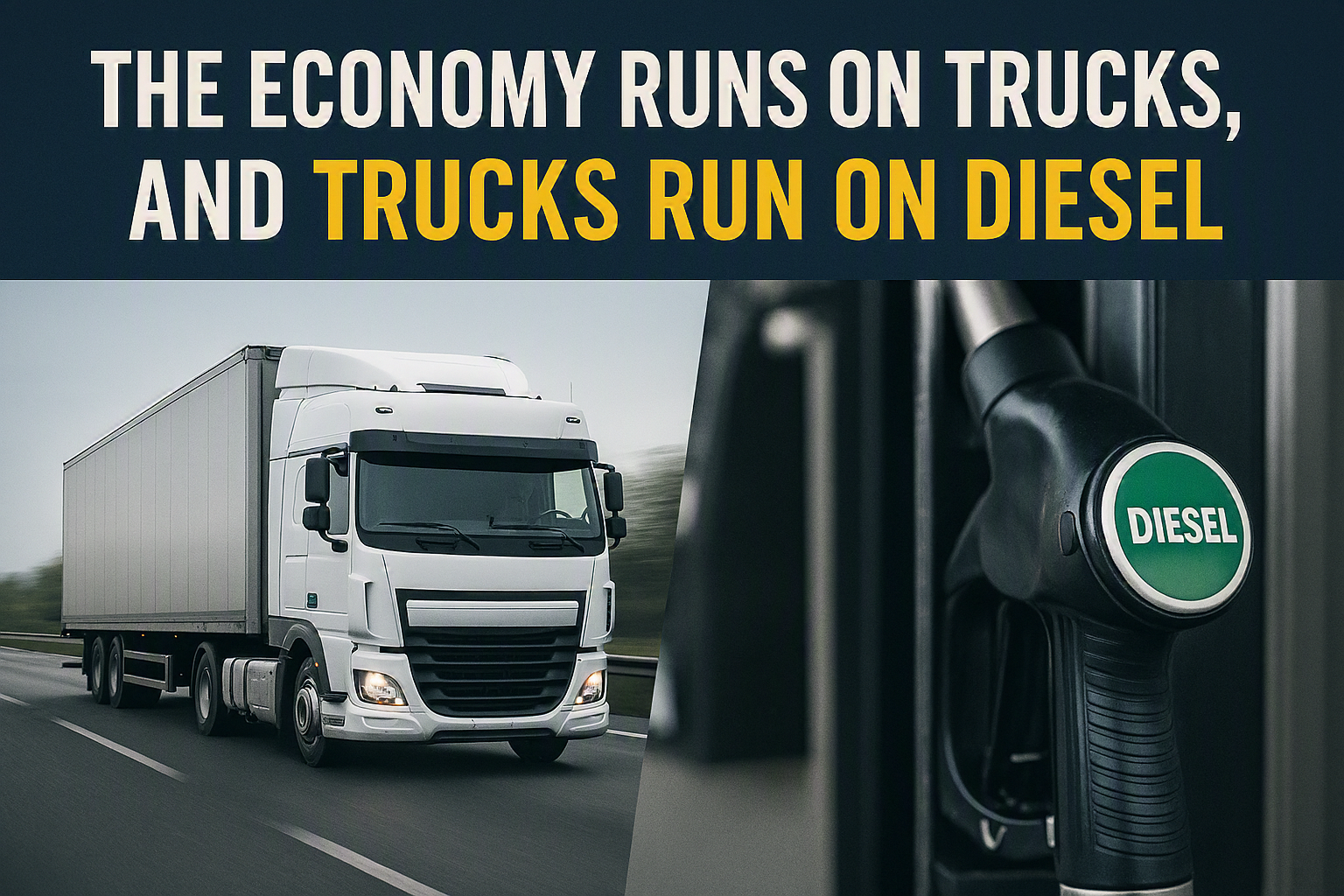
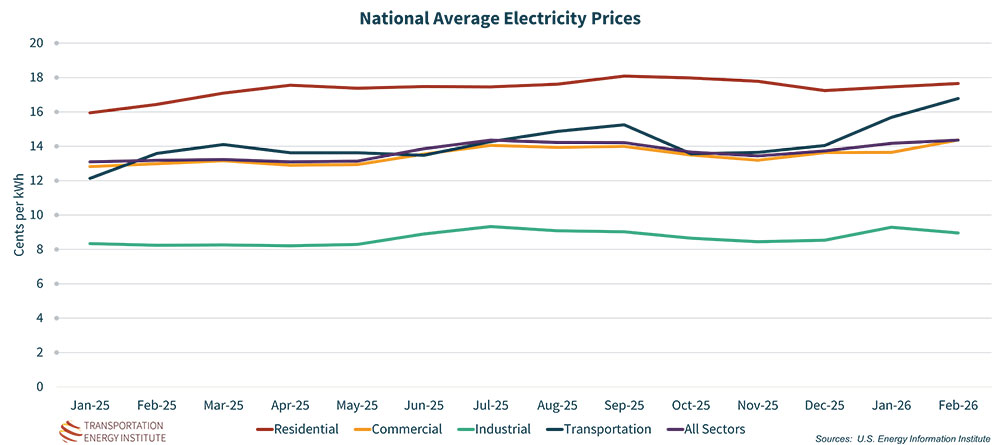
The increase in the cost of liquid energy affects more than personal travel. America runs on trucks which rely on diesel fuel, which means that every item that consumers purchase has incurred a significant increase in distribution costs. But it’s not just liquid fuels affecting the economy – electricity prices are up too. From January 2025 to February 2026, the national average price per kWh for residential users is up 11%, and transportation users are paying 38% more. The combination of these factors means that energy is taking up a larger share of the consumers’ wallet, and there already are signs that discretionary spending across the broader economy is contracting, raising concerns about potential stagflation leading into the November midterm elections.
The pressures on the liquid fuels market have a clear causal element, and while the path to restoration of stability is well understood, it will take time. Meanwhile, the electricity sector, which will represent an increasing share of transportation energy supply and demand, faces less well-understood challenges. TEI26 took a close look at this market as well which does not only relate to transportation, but every element of the economy.
Electricity demand is increasing across the U.S. and globally. While there is significant focus on AI and data centers, these represent less than 10% of overall electricity demand in the three largest markets by 2035. Over time, electric vehicle (EV) charging is expected to be the dominant source of new power demand in the U.S. Despite the rapid shift toward electrification, current electricity demand growth forecasts remain lower than the rates experienced during the 20th century. To meet these emerging needs, utilities and stakeholders are leveraging new digital strategies and technologies that were not available in previous decades.
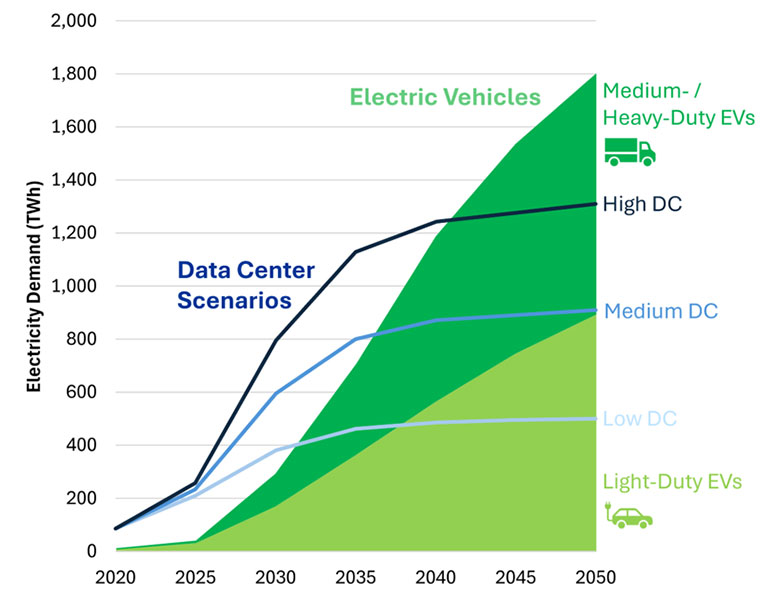
This was welcome news as the market continues to make investments to support the expansion of EVs. TEI has been reminding audiences that there are nearly a million leased EVs expected to enter the lower priced used vehicle market in the next two years. And nearly 96% of those trading in their leased EVs are likely to consider another EV to replace it, which means that the market for EVs will expand.
TEI26 was a conference that jumped off the high dive into the disjointed world of global energy disruption and then transitioned to explore solutions and opportunities. Speakers and attendees engaged in discussions about:
- The economics and business opportunities of public EV charging
- The role of renewable fuels to reduce the emissions profile of the industry
- The opportunities for fleet operators to diversify their powertrain and energy needs of medium and heavy-duty vehicles
- The future of mobility and the new economics of miles
- Embracing the fact that there is no typical driver and figuring out how consumers make decisions
- The regulatory environment that is shaping the future of the market
- The state and future of the fuel retailing industry
The transportation industry is dynamic and never at rest – whether we are dealing with extreme disruption or the methodical evolution of consumer interests, there is always something new and exciting to explore. Sincere appreciation to everyone who helped make TEI26 an enlightening and truly enjoyable experience. We look forward to continuing the dialogue with everyone in the Transportation Energy Institute’s network.